TL;DR: There is no single best month to hold a trade show in Orlando — each season trades off demand, hotel pricing, venue availability, and weather risk. December through May is the easiest weather window, but it’s also when venues and hotels are busiest and book years ahead. Hurricane season runs June 1 – November 30, and the summer months in it (June through September) offer better availability and negotiating leverage. If your dates fall in that window, you can still run a great show — you just need the right contract clauses, insurance conversations, and communication plan in place before you sign.
What are the best and worst months to hold a trade show in Orlando?
The best month depends on your show’s priorities. From a weather perspective, the lower-risk window is December through May — but those are also the busiest months for venues and hotels. Summer and the peak of hurricane season carry the most weather tradeoffs but offer easier availability. “Best” is relative, and many successful shows run in summer each year.
Orlando is a leisure market first, so your show competes with school calendars, holidays, and theme-park crowds for hotel rooms and attention. Here’s how the seasons generally compare:
| Season | General pattern | Main upside | Main tradeoff |
|---|---|---|---|
| January – February | The busiest months for events in Orlando | Cool & dry weather | Venues book years in advance |
| March – May | Very busy events calendar; spring break and holiday weekends add crowds | Comfortable weather for attendees | Spring break periods can tighten rooms and raise travel costs |
| June – August | Peak leisure season while school is out; hot and stormy, fewer events | Groups benefit from slower business travel periods making venues easier to book | Heavy family travel, daily thunderstorms, and the start of hurricane season |
| September – October | Late-summer lull, then busier around fall events | Shoulder-season availability | Sits at the statistical peak of hurricane season |
| November | A very busy month with large scale events | Weather is cooling and hurricane season is winding down | Holiday travel and a few more weeks of hurricane risk early in the window |
| December | Busy the first half and slows down the second half | Cooler weather and hurricane season has officially ended | Holiday travel |
These are general patterns, not rate or availability guarantees. Demand shifts year to year with the convention calendar, so confirm your exact dates with the venue and hotels before you plan around any season.
Whichever month you lean toward, start with your attendees, not the calendar. Ask when your members or buyers are free to travel, what else competes for their time, and when your industry’s other major shows land. For more on the venue side of the decision, see our guide on how to choose a trade show venue.
How do demand, hotel rates, and venue availability change by season?
Demand, hotel pricing, and venue availability move together in Orlando: when event activity is high, rooms tighten and prices rise; when it slows, you gain leverage on room blocks, rates, and sometimes date flexibility. That’s the core seasonal tradeoff.
- Hotel room blocks: In busy periods, hotels have less incentive to discount and fewer rooms to spare. In quieter periods, you may have more room to negotiate rates, attrition terms, and cutoff dates. Always ask what else is happening in the market on your dates.
- Venue availability: Popular dates book first. Weekend and mid-week patterns, plus other conventions in the same buildings, can limit which dates are truly open — which is why the venue and dates usually get decided together.
- Attendee travel costs: Airfare, rental cars, and hotel rates all rise in peak periods, which affects your registration numbers and your exhibitors’ budgets.
- Exhibitor and vendor availability: Peak convention periods can stretch labor, freight, and service providers across the market at once. Booking your general services contractor early helps you secure the crews and equipment you need.
Orlando’s popularity is only growing, and we are increasingly seeing clients struggle to book the dates they want 3 years in advance. If you are struggling to find an available venue, consider June through September, when demand is lower and availability is higher. This also gives you negotiating leverage on rates. Just plan for hurricane season (covered below) if you go this route.
How does hurricane season affect planning for an Orlando trade show?
Hurricane season affects Orlando planning mainly through scheduling risk, not constant danger: the Atlantic season officially runs June 1 to November 30, and a storm in the region can force date changes, travel disruptions, or cancellations — even when Orlando itself isn’t directly hit.
According to the National Hurricane Center, the statistical peak of the Atlantic season falls around September 10, with most activity occurring between mid-August and mid-October. NOAA also notes that tropical activity can occasionally occur outside the official season dates, so the window is a guide rather than a hard boundary.
What this means for organizers:
- Half the year is inside the window. Six of twelve months fall within hurricane season, so avoiding it entirely isn’t realistic for many shows.
- Risk is highest in late summer and early fall. If you have flexibility, the peak window carries the most statistical risk.
- Impact is often indirect. A storm elsewhere in Florida or the Southeast can still disrupt flights, freight routes, and exhibitor travel.
- Risk isn’t a reason to avoid Orlando. It’s a reason to plan for it. Many successful shows run inside hurricane season every year.
For current forecasts and outlooks, always check the National Hurricane Center and local emergency management rather than relying on general seasonal advice.
What contingency steps protect a show from a storm?
The best protection is putting the right terms in writing before you sign: a clear contract clause for severe weather, a conversation with your insurance broker, and a communication plan your team can activate fast. We always recommend, and personally use, event cancellation insurance for events during hurricane season. We have never needed to file a claim, but the peace of mind it provides is well worth it. Plan early, as it’s much more difficult to create contingencies once a storm is already in the forecast.
Use this checklist when your dates fall inside hurricane season:
- Review the venue’s force majeure and cancellation terms. Ask exactly what happens to your deposits, food and beverage minimums, and fees if the venue closes, a storm warning is issued, or travel is disrupted. Get clarity on rescheduling options, not just cancellation.
- Talk to your insurance broker about event cancellation coverage. Ask specifically how named storms and weather-related cancellations are handled, including any waiting periods or restrictions that apply once a storm is forecast. Coverage terms vary, so confirm the details for your policy. (This is general guidance, not legal or insurance advice.)
- Check your hotel room block terms. Ask how attrition is handled if a storm reduces attendance, and whether the hotel offers flexibility for weather-related disruptions.
- Build a decision timeline. Decide in advance who has authority to postpone, modify, or cancel, and at what point (for example, how many days out you’ll review the forecast). Clear authority prevents last-minute confusion.
- Plan exhibitor freight early. Ship dates matter more when weather can disrupt carriers. Build extra time into your exhibitor deadlines and confirm your GSC’s freight and drayage plan.
- Prepare your communication plan. Draft templates for attendees, exhibitors, and speakers — email, social, event app, and website banner — so you can send accurate updates quickly.
- Know your venue’s emergency procedures. Ask who to contact, how on-site decisions get made, and what the building’s protocol is for severe weather during move-in, show days, and move-out.
How far in advance should you lock dates for an Orlando show?
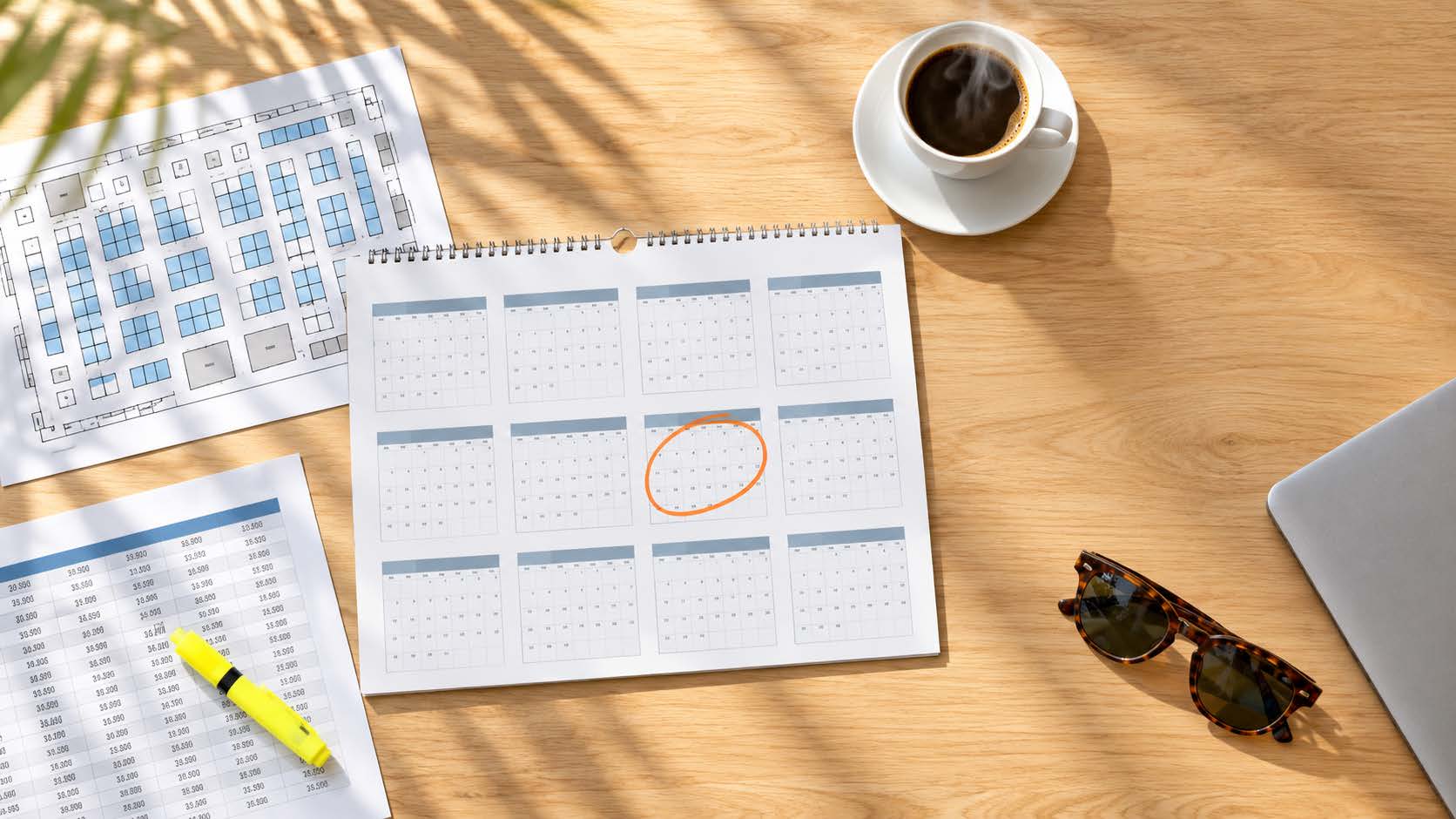
Lock your dates as early as your venue and budget allow — at least 18 to 24 months before the show, and up to 3 years for the busiest months (November through May) — because the best-fit venues and hotel room blocks in a busy market book well in advance. The earlier you commit, the more date options you have.
Dates and venue are usually decided together, and they kick off the rest of your timeline (see our step-by-step trade show planning timeline). If you’re flexible, ask your top venue choices for several date options, then compare them on seasonality, hotel leverage, and storm risk. If you’re not flexible (for example, your show is tied to an industry event or annual meeting), focus on the contingency steps above.
Early planning also gives you something valuable: time to build a backup plan. For example, ask whether the venue can hold alternate dates or whether your contract allows rescheduling within a set window.
Frequently asked questions
What is the best month to hold a convention in Orlando?
It depends on your priorities. November through May are the busiest months with the least availability, while summer and the peak of hurricane season carry more tradeoffs in demand and weather risk. Choose based on your attendees’ availability first, then compare dates on hotel leverage and venue availability.
Is it safe to hold a trade show in Orlando during hurricane season?
Yes — many shows run during hurricane season. The Atlantic season officially runs June 1 to November 30, so the key is planning ahead with force majeure language, insurance conversations, and a communication plan rather than assuming nothing will happen.
When is Orlando’s convention season busiest?
November through May are the busiest months with January and February being the peak months. Ask your venue and hotels what else is booked on your dates before you commit.
How far ahead should I book dates for an Orlando trade show?
Lock dates as early as possible — at least 18 to 24 months out, and up to 3 years for the busiest months (November through May) — since the best venues and room blocks book well ahead.
Choosing the right dates is as important as choosing the right venue. If you want a second set of eyes on your calendar, contingency plan, or Orlando timeline, talk to our team — we’ve helped show organizers plan around Central Florida’s seasons and storms.